Silicone, XLPE and PVC Insulated Automotive and EV Wire
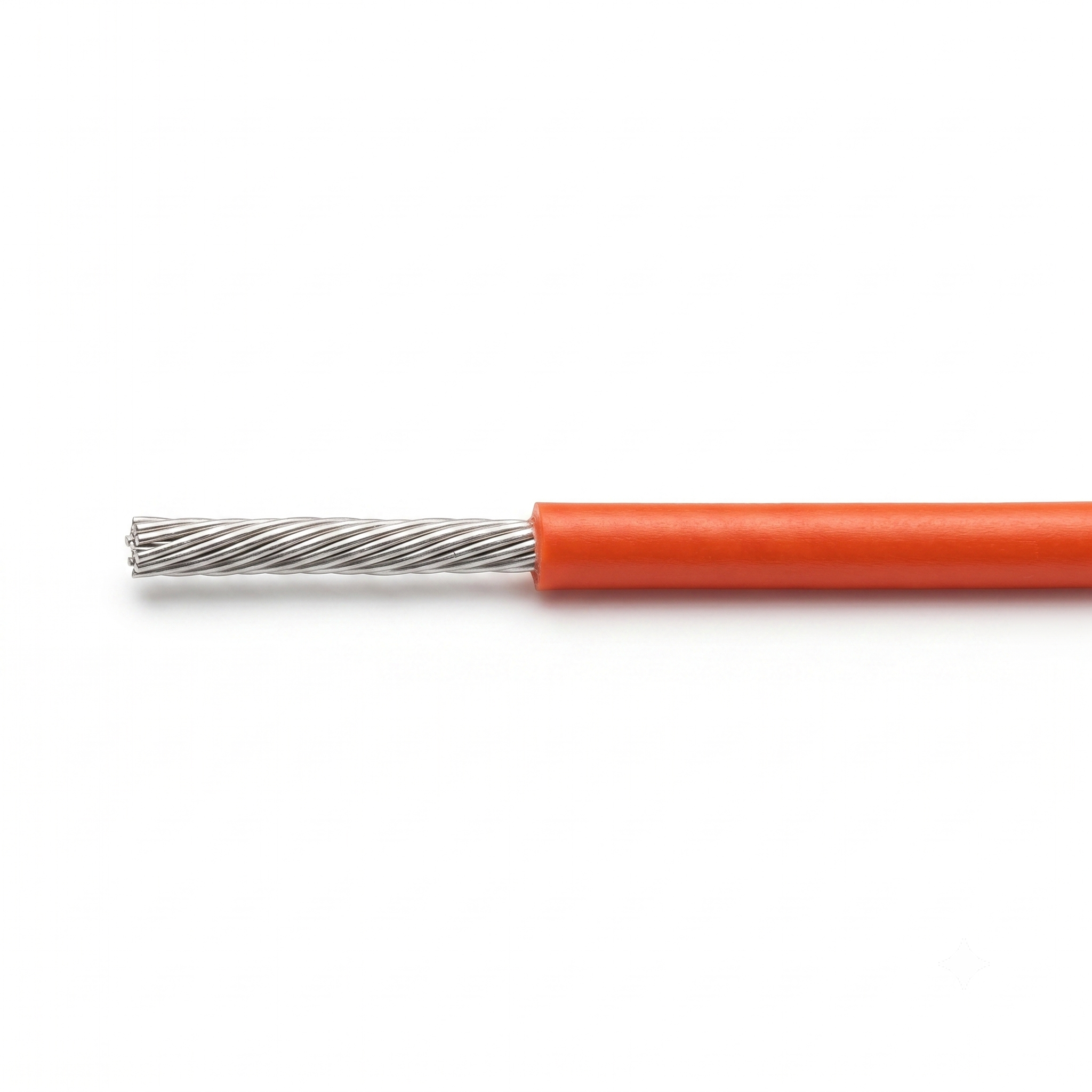
Silicone, XLPE and PVC insulated automotive and EV wire is designed for electric vehicle high-voltage systems, automotive wiring harnesses, vehicle low-voltage circuits, sensors, control modules, and under-hood wiring applications. This series includes EV-SIR silicone high-voltage automotive wire, TXL / GXL / SXL automotive primary wire, FLR6Y thin-wall automotive wire, and FLRY low-voltage automotive cable options for different vehicle wiring requirements.
Silicone / XLPE / PVC Insulation
EV-SIR High-Voltage Wire
TXL / GXL / SXL / FLRY
Overview
Automotive and EV High-Voltage Wire is designed for electric vehicle high-voltage systems, automotive wiring harnesses, vehicle low-voltage circuits, sensors, control modules, and under-hood wiring applications.
This product family combines EV high-voltage automotive wire and standard automotive wiring options into one selection page. It includes EV-SIR silicone high-voltage wire for new energy vehicle systems, TXL / GXL / SXL automotive wire for vehicle harness applications, and FLR6Y / FLRY automotive cable options for low-voltage vehicle wiring and compact harness layouts.
This page is intended for product selection. Exact specifications should be confirmed by selected model, voltage rating, conductor size, insulation material, temperature rating, wall thickness, outside diameter, color, automotive standard, and project drawing before ordering.
Series Options
The table below helps buyers quickly distinguish EV high-voltage wire from standard automotive low-voltage wire options.
| Series Option | Product Positioning | Typical Selection Scenario |
|---|---|---|
| EV-SIR | Silicone insulated EV high-voltage automotive wire | For electric vehicle, new energy vehicle, and high-voltage automotive wiring applications requiring silicone insulation and high-temperature flexibility. |
| TXL / GXL / SXL | Automotive primary wire series | For automotive wiring harnesses, control circuits, under-hood circuits, sensors, and vehicle low-voltage wiring systems. |
| FLR6Y | Thin-wall automotive wire | For compact automotive harnesses and vehicle wiring systems where reduced wall thickness and space-saving routing are required. |
| FLRY | Automotive low-voltage cable | For standard low-voltage vehicle circuits, internal automotive wiring, control modules, and general vehicle harness applications. |
| BYC Custom | Custom automotive wire and EV wire construction | For projects requiring custom conductor size, insulation material, voltage rating, temperature rating, color, marking, packaging, or documentation support. |
Features
EV and Automotive Coverage
Combines EV high-voltage wire and standard automotive wiring options for new energy vehicles and conventional vehicle harness systems.
High-Voltage EV Option
EV-SIR supports high-voltage automotive applications where silicone insulation, flexibility, and temperature resistance are required.
TXL / GXL / SXL Options
TXL, GXL, and SXL automotive wire options allow buyers to select different wall thickness and insulation constructions based on vehicle harness needs.
Thin-Wall Automotive Wire
FLR6Y and selected automotive wire constructions support compact wiring harness layouts and space-saving vehicle routing.
Color and Marking Support
Automotive wire can be reviewed with project-specific color, striping, printing, and identification requirements.
Custom Harness Wire Support
BYC Cables can review conductor size, insulation material, voltage, temperature, color, marking, and documentation requirements for automotive projects.
Construction & Materials
Automotive wire selection should be based on vehicle system voltage, current load, temperature environment, routing space, insulation material, wall thickness, flexibility, and harness manufacturing requirements.
Construction Options
| Component | Available Options | Selection Notes |
|---|---|---|
| Conductor | Bare copper, tinned copper, or model-specific copper conductor options | Conductor selection affects conductivity, flexibility, corrosion resistance, and compatibility with terminals and harness processing. |
| Insulation | Silicone rubber, XLPE, PVC, or model-specific automotive insulation materials | Silicone is suitable for EV high-voltage and flexible high-temperature use. XLPE and PVC-based options are common for automotive harness wiring. |
| Voltage Rating | Low-voltage automotive options and high-voltage EV options depending on selected model | Voltage rating must match the vehicle system, circuit design, safety margin, and applicable automotive standard. |
| Temperature Rating | Varies by selected model and insulation material | Temperature rating should be selected according to under-hood exposure, battery system temperature, harness location, and thermal load. |
| Wall Thickness | Thin-wall, standard-wall, and thick-wall automotive wire options | TXL, GXL, and SXL are commonly selected by wall thickness and application environment. Thin-wall options help reduce harness size and weight. |
| Color | Standard automotive colors, stripes, or project-specific color options | Color identification supports circuit recognition, harness production, inspection, and maintenance. |
| Customization | Custom conductor size, insulation, color, marking, packaging, and documentation options | BYC Cables can review drawings, samples, automotive specifications, and harness requirements before recommending a suitable construction. |
Construction Differences
| Series | Construction Focus | Confirmed Information | When to Choose |
|---|---|---|---|
| EV-SIR | Silicone insulated high-voltage automotive wire | Designed for new energy vehicle high-voltage wiring applications requiring silicone insulation and high-temperature flexibility. | Choose for EV battery systems, high-voltage vehicle circuits, and new energy vehicle power wiring applications. |
| TXL / GXL / SXL | Automotive primary wire series | TXL, GXL, and SXL provide different wall thickness options for automotive wiring harness applications. | Choose for general automotive harnesses, control circuits, sensors, and under-hood low-voltage wiring. |
| FLR6Y | Thin-wall automotive wire | Designed for automotive wiring applications requiring reduced insulation thickness and compact harness routing. | Choose when harness size, space-saving routing, and weight reduction are important. |
| FLRY | Automotive low-voltage cable | Suitable for low-voltage vehicle wiring, automotive control circuits, and general vehicle electrical systems. | Choose for standard vehicle wiring harness applications and low-voltage automotive circuits. |
| BYC Custom | Project-specific automotive wire construction | Conductor size, insulation material, color, stripe, marking, voltage, temperature, and documentation can be reviewed. | Choose when standard model data does not fully match the vehicle platform, harness design, or project specification. |
Specifications
The specifications below are intended for preliminary product selection. Final values should be confirmed according to selected model, conductor size, insulation material, voltage rating, temperature grade, color, and applicable automotive standard.
| Product Family | Automotive and EV High-Voltage Wire |
|---|---|
| Included Models | EV-SIR, TXL, GXL, SXL, FLR6Y, FLRY |
| Typical Applications | EV high-voltage systems, automotive wiring harnesses, low-voltage vehicle circuits, sensors, control modules, under-hood wiring, and new energy vehicle wiring |
| Voltage Range | Varies by selected model. EV-SIR is used for EV high-voltage systems, while TXL / GXL / SXL, FLR6Y, and FLRY are selected for automotive low-voltage circuits. |
| Conductor Options | Bare copper, tinned copper, or model-specific copper conductor options depending on selected wire type |
| Insulation Options | Silicone rubber, XLPE, PVC, or model-specific automotive insulation materials |
| Temperature Rating | Varies by selected model and insulation system. Final temperature rating should be confirmed by datasheet and project requirement. |
| Wall Thickness | TXL, GXL, and SXL are commonly selected by wall thickness; FLR6Y supports thin-wall automotive wiring applications. |
| Color Options | Standard automotive colors, stripe options, or custom colors depending on model and order requirements |
| Customization | Available based on conductor size, insulation material, voltage rating, temperature grade, color, stripe, marking, packaging, and documentation requirements. |
For accurate quotation, please provide the target model, voltage rating, conductor size, insulation material, temperature requirement, color or stripe requirement, cable length, applicable automotive standard, and project drawings or specifications.
Representative Series Comparison
| Series | Main Positioning | Primary Use | Selection Note |
|---|---|---|---|
| EV-SIR | Silicone EV high-voltage wire | Electric vehicle and new energy vehicle high-voltage wiring | Use when silicone insulation, flexibility, and EV high-voltage performance are required. |
| TXL | Thin-wall automotive primary wire | Automotive harnesses and compact vehicle wiring | Use when reduced wall thickness and harness weight are important. |
| GXL | General automotive primary wire | Vehicle electrical systems and under-hood circuits | Use when a balance of wall thickness, flexibility, and temperature performance is needed. |
| SXL | Thicker-wall automotive primary wire | More demanding automotive wiring environments | Use when stronger insulation wall thickness is required than TXL or GXL. |
| FLR6Y | Thin-wall automotive wire | Compact vehicle harnesses and low-voltage circuits | Use for space-saving automotive wiring applications. |
| FLRY | Low-voltage automotive cable | Vehicle low-voltage wiring and control circuits | Use for standard automotive low-voltage circuits and harness applications. |
Applications
Automotive and EV wires are suitable for vehicle electrical systems where voltage rating, temperature resistance, flexibility, insulation material, harness size, and color identification are important.
Electric Vehicle High-Voltage Systems
For EV battery systems, high-voltage power circuits, and new energy vehicle wiring requiring silicone high-voltage wire options.
Automotive Wiring Harnesses
For vehicle harness manufacturing, branch circuits, under-hood wiring, and internal automotive electrical systems.
Low-Voltage Vehicle Circuits
For control circuits, lighting circuits, sensors, instrument wiring, and other low-voltage automotive applications.
Compact Harness Routing
For vehicle wiring layouts requiring thin-wall insulation, reduced cable size, and cleaner harness routing.
Automotive Control Modules
For control modules, sensors, relays, and vehicle electronic assemblies requiring reliable insulated wire.
Custom Automotive Wire Projects
For vehicle platforms requiring custom conductor size, insulation material, color, marking, and documentation support.
Selection Guide
Use this guide as a starting point. Final selection should be confirmed by vehicle voltage, harness location, operating temperature, routing space, wire standard, conductor size, and insulation material.
| Requirement | Recommended Option | Selection Reason |
|---|---|---|
| EV high-voltage wiring | EV-SIR | Recommended for new energy vehicle and EV high-voltage wiring where silicone insulation and flexibility are required. |
| Thin-wall automotive harness | TXL / FLR6Y | Suitable when compact harness size, reduced wall thickness, and lighter wiring are important. |
| General automotive wiring | GXL / FLRY | Suitable for common vehicle low-voltage circuits, control wiring, and harness applications. |
| Thicker insulation wall | SXL | Recommended when more insulation wall thickness is needed for demanding automotive wiring environments. |
| Color-coded harness production | Custom Color | Color and stripe options help support circuit identification, harness manufacturing, inspection, and maintenance. |
| Project-specific automotive wire | BYC Custom | BYC Cables can review conductor size, insulation material, temperature rating, color, marking, and automotive documentation requirements. |
Customization Options
BYC Cables can support custom automotive and EV wire requirements based on drawings, samples, electrical requirements, vehicle platform requirements, and project documentation needs.
Conductor Size
Conductor size can be selected according to current load, voltage drop, harness design, terminal compatibility, and vehicle circuit requirements.
Insulation Material
Silicone rubber, XLPE, PVC, or model-specific automotive insulation materials can be reviewed according to voltage, temperature, and routing environment.
Wall Thickness
Thin-wall, standard-wall, and thicker-wall options can be reviewed for harness size, weight, and durability requirements.
Color and Stripe
Custom colors, stripe colors, printing, and marking can support automotive circuit identification and harness manufacturing.
Cutting and Termination
Cable length, cutting, stripping, terminal, connector, and harness processing requirements can be reviewed based on drawings.
Testing and Documentation
Datasheets, inspection records, electrical test data, automotive documentation, and packaging labels can be provided based on requirements.
Request a Quote
Please provide the target model, voltage rating, conductor size, insulation material, temperature requirement, color or stripe requirement, cable length, applicable automotive standard, and drawings or specifications.
FAQ
What is automotive and EV wire used for?
It is used for electric vehicle high-voltage systems, automotive wiring harnesses, vehicle low-voltage circuits, sensors, control modules, under-hood wiring, and new energy vehicle wiring.
Which models are included in this series?
This series includes EV-SIR, TXL, GXL, SXL, FLR6Y, and FLRY automotive wire options.
What is the difference between EV-SIR and TXL / GXL / SXL?
EV-SIR is used for EV and new energy vehicle high-voltage wiring. TXL, GXL, and SXL are automotive primary wire options for lower-voltage vehicle harness applications, selected mainly by wall thickness and use environment.
Which option should I choose for compact automotive harnesses?
TXL and FLR6Y are commonly selected when thin-wall construction, compact routing, and reduced harness size are important.
Can BYC Cables provide custom automotive wire colors?
Yes. BYC Cables can review standard colors, custom colors, stripe colors, printing, and marking for automotive harness production.
What information should I provide for quotation?
Please provide target model, voltage rating, conductor size, insulation material, temperature requirement, color or stripe requirement, cable length, applicable automotive standard, and any drawings or specifications.
contact us
STEP 1
Inquiry Received
-
Instant acknowledgment and
dedicated specialist assignment.
STEP 2
Technical Review
-
Expert evaluation of specifications
for optimal reliability.
STEP 3
24H Response
-
Comprehensive proposal and
competitive pricing within 24 hours.